TECHNOLOGY SEED
- Medical / Life Science Fields
Unlocking Axonal Repair: Targeting Neutrophil NETs to Accelerate Peripheral Nerve Recovery
This technology targets neutrophil extracellular traps (NETs) as a novel mechanism to enhance peripheral nerve regeneration
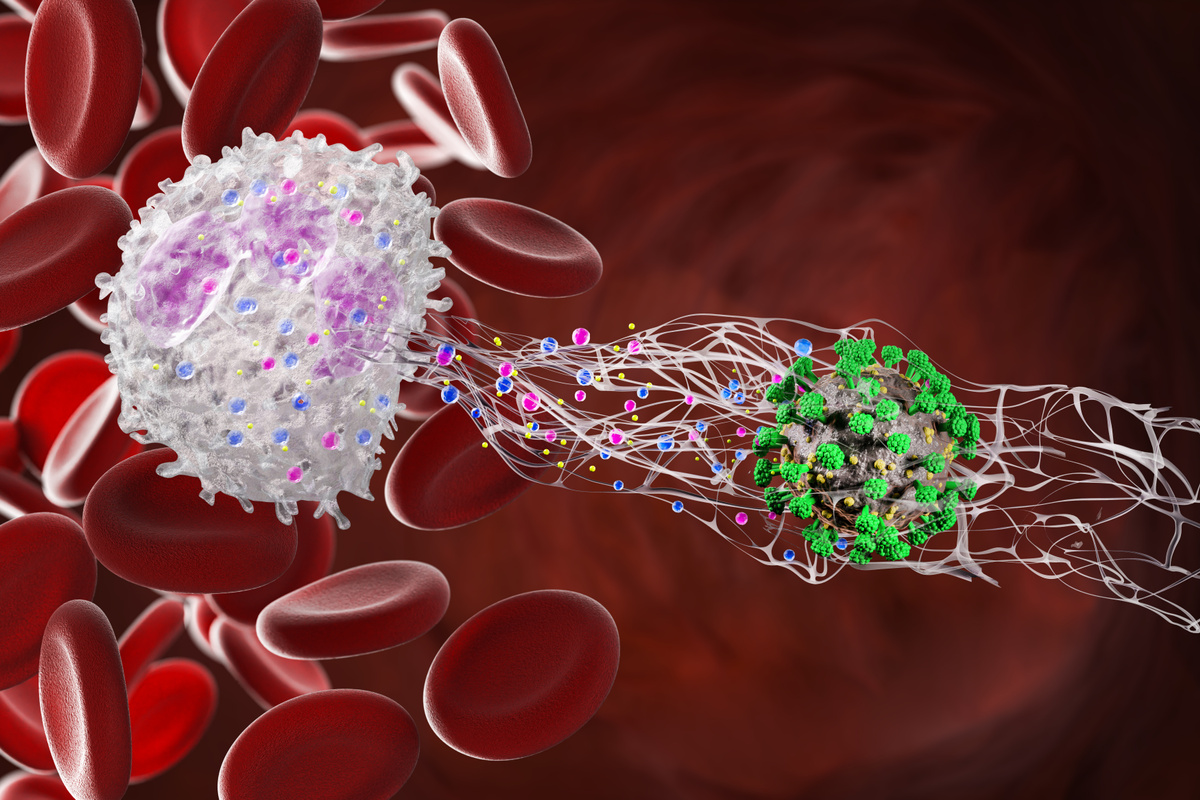
Source: Luca9257, https://stock.adobe.com/uk/483767548, stock.adobe.com
Background
Peripheral nerve injury (PNI), caused by trauma, surgery, or diabetes, often results in long-term functional impairment. Although immune responses are essential for nerve repair, excessive neutrophil activity—particularly the formation of neutrophil extracellular traps (NETs)—has been found to inhibit macrophage infiltration into nerve tissue, delaying debris clearance and axon regeneration. Targeting NETs offers a novel immunomodulatory approach to accelerate nerve repair and improve clinical outcomes.
Technology Overview
This technology targets neutrophil extracellular traps (NETs) as a novel mechanism to enhance peripheral nerve regeneration. After nerve injury, neutrophils accumulate at the epineurium and release NETs, which inhibit macrophage migration into the nerve parenchyma, delaying debris clearance and axonal repair. The innovation lies in suppressing NET formation through inhibitors of PAD4, MIF, or by enzymatic degradation using DNase I. These interventions promote macrophage infiltration, accelerate myelin clearance, and enhance axon regeneration. The approach has been validated in rodent models and is supported by patent filings, offering a first-in-class, immunomodulatory therapy platform for nerve injury.
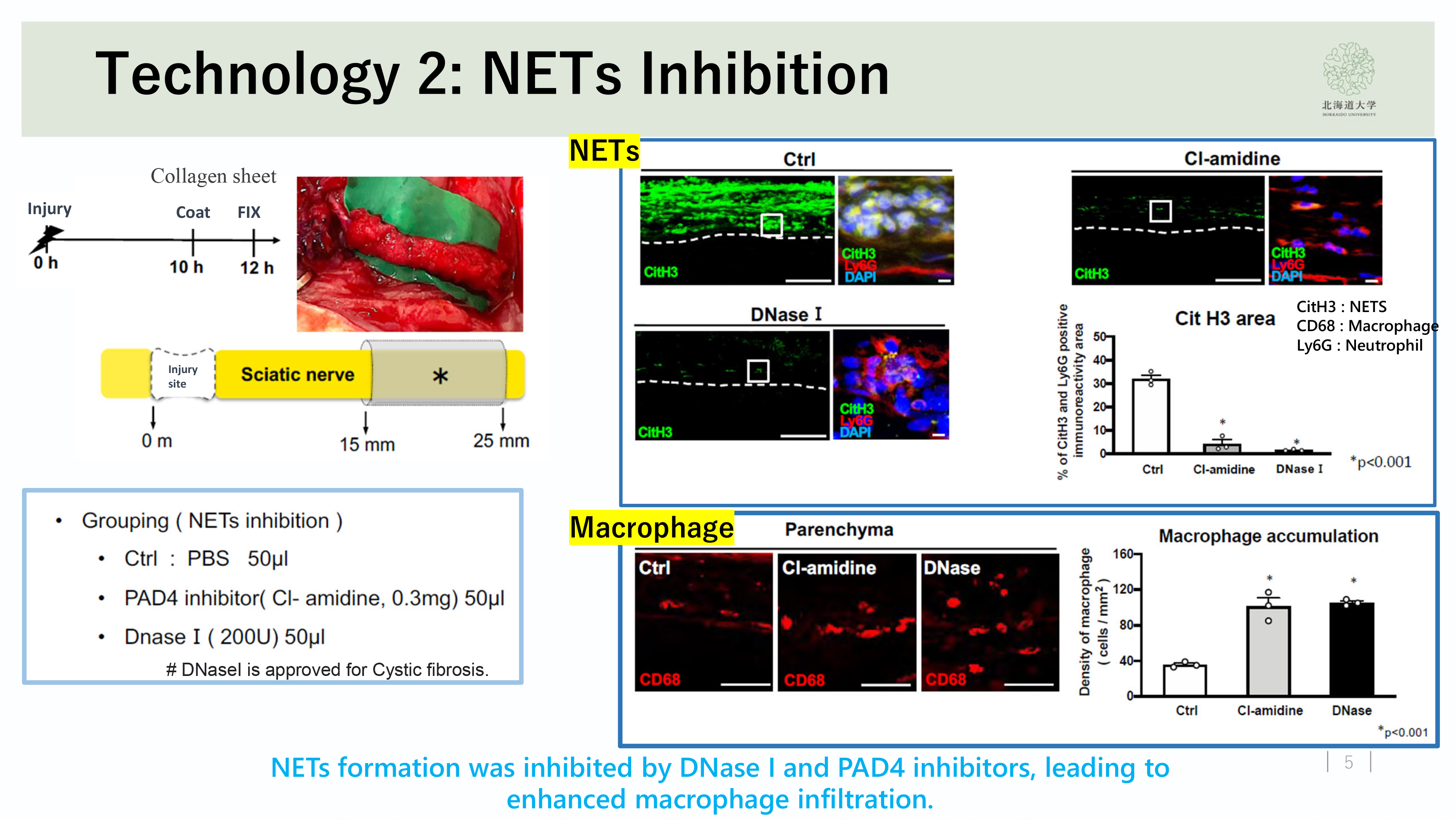
Figure 1: Inhibition of NETs Enhances Macrophage Infiltration Treatment with DNase I or a PAD4 inhibitor reduces NET formation and enhances macrophage infiltration into the parenchyma, promoting debris clearance.
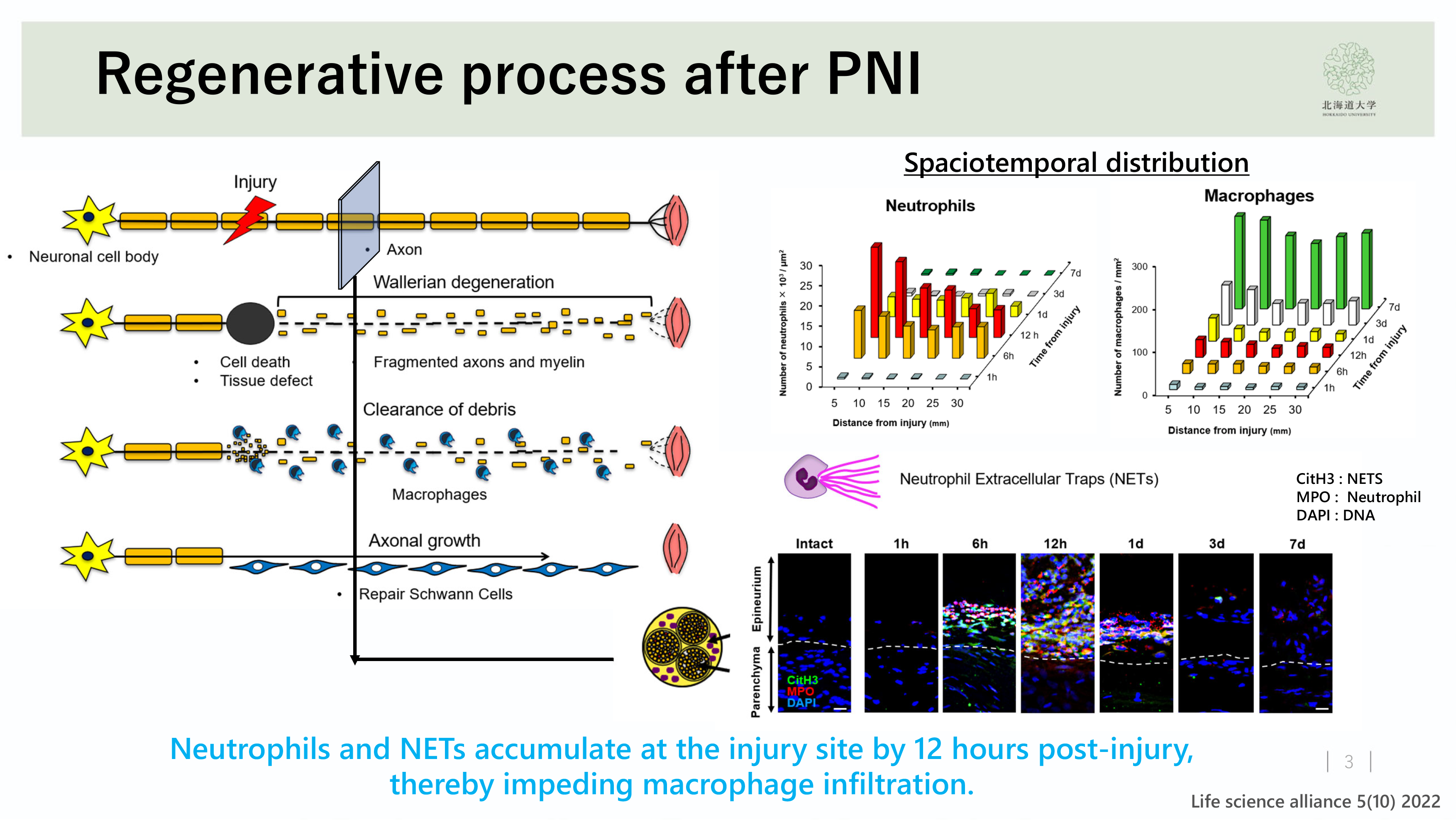
Figure 2: Schematic of the Mechanism of Action Illustration summarizing the mechanism by which neutrophil-derived NETs block macrophage infiltration and delay nerve repair. Targeting NETs enhances macrophage entry and promotes axon regeneration.
Benefits
- This technology provides a first-in-class therapeutic strategy that enhances nerve regeneration by modulating the innate immune response.
- Unlike conventional methods such as surgical grafting or neurotrophic factors, this approach accelerates axonal repair by enabling timely macrophage infiltration through NET inhibition.
- It offers faster recovery, improved functional outcomes, and broad applicability using clinically accessible agents like DNase I or MIF inhibitors.
Applications
- This technology is broadly applicable to conditions involving peripheral nerve injury (PNI), including trauma, surgical nerve damage, diabetic neuropathy, and nerve grafting procedures.
- It is particularly valuable in orthopedic, reconstructive, and neurosurgical settings where enhanced axon regeneration is critical.
- The use of clinically accessible agents makes it attractive for rapid translation to therapeutic applications, offering partnership opportunities in regenerative medicine, pharmaceuticals, and biologics.
Opportunity
Hokkaido University are seeking strategic partnerships with pharmaceutical companies, biotech firms, or medical device developers interested in advancing nerve regeneration therapies. Opportunities include co-development, licensing, or joint research to further validate and commercialize this NET-targeting approach. With strong preclinical data and patent protection, the technology is ready for translational development toward clinical application.
Further opportunity details…
- Clinical Adaptability: The use of clinically approved agents (e.g., DNase I) may allow accelerated development pathways (e.g., 505(b)(2) in the U.S.), reducing time to clinical proof-of-concept.
- Indication Expansion: In addition to PNI, the technology may be adapted to other neuroinflammatory or neurodegenerative conditions (e.g., spinal cord injury, diabetic neuropathy, multiple sclerosis).
- Platform Potential: The mechanism can serve as an immunomodulatory platform applicable across tissue repair and regenerative medicine.
- Partner Role: Hokkaido University welcome partners with expertise in preclinical/clinical development, drug delivery, or biologic formulation to help advance the technology to IND or clinical stage.
Link
inpart