TECHNOLOGY SEED
- Medical / Life Science Fields
Meflin as an Innovative Biomarker and Therapeutic Target Development in Inflammatory Diseases
A novel therapeutic and diagnostic target of ISLR (Meflin) proteins to modulate inflammatory responses
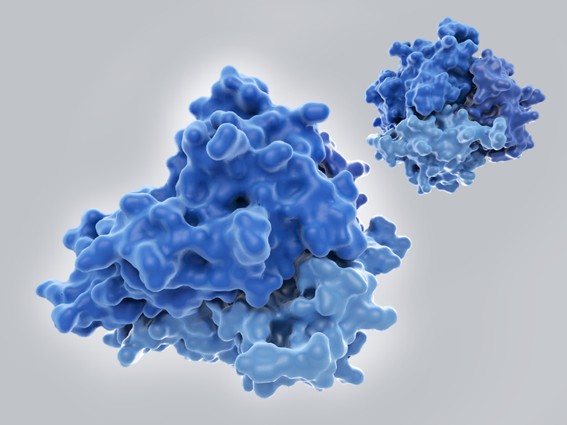
Source: Juan Gärtner, stock.adobe.com/uk/355737240 stock.adobe.com
Background
Chronic inflammatory diseases, such as autoimmune disorders, present a significant unmet medical need. Current anti-inflammatory drugs often lack specificity, leading to systemic side effects and reduced efficacy over long-term use. There is a need for targeted therapies that modulate inflammation more precisely, reducing harmful immune responses without compromising normal immune function.
Technology Overview
Hokkaido University has identified a novel therapeutic and diagnostic target of ISLR (also known as Meflin) proteins to modulate inflammatory responses. The agent for suppressing Meflin can suppress pro-inflammatory cytokine expression such as IL-6, TNF-α, and CCL2 by inhibiting specific molecular pathways including NF-κB and STAT3. The approach leverages small interfering RNAs (siRNAs), antisense oligonucleotides, or monoclonal antibodies to downregulate ISLR (Meflin) expression, leading to reduced inflammation. The therapy demonstrates strong potential for treating autoimmune diseases and chronic inflammatory conditions. 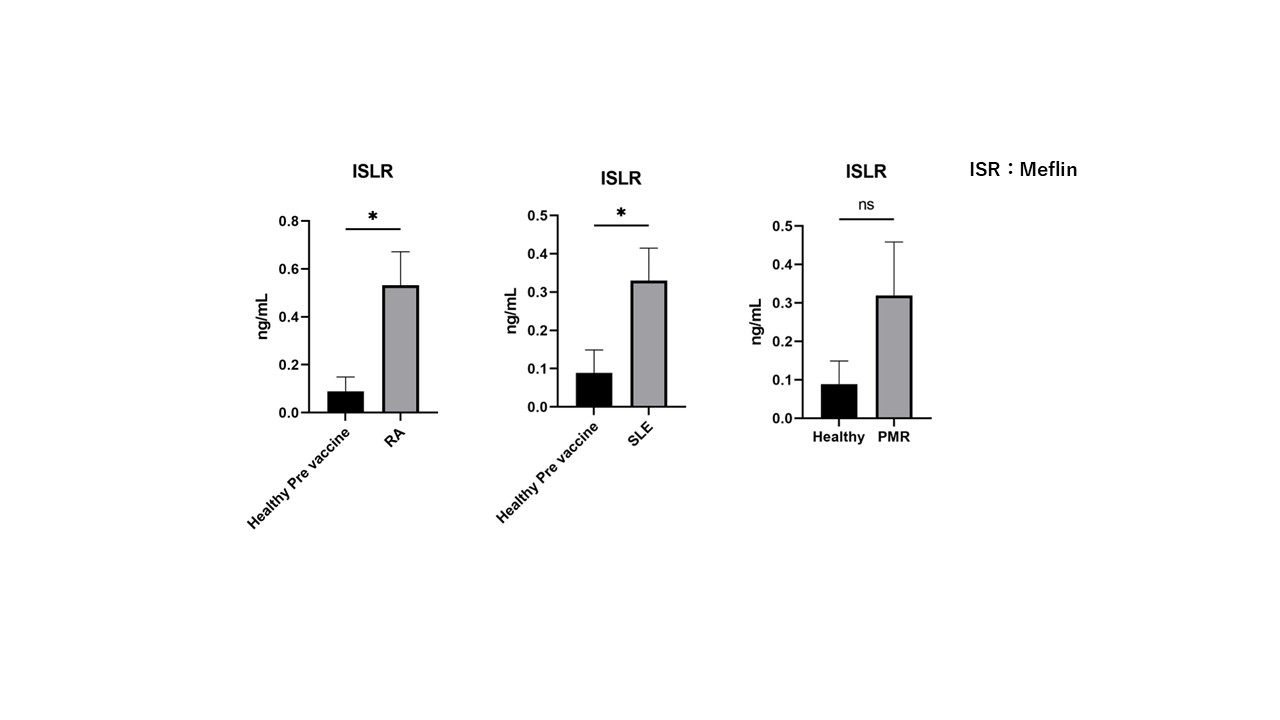
Figure 1.
Meflin was increased in the plasma of patients with RA (rheumatoid arthritis), SLE (systemic lupus erythematosus), and PMR (polymyalgia rheumatica) compared to that of healthy individuals.
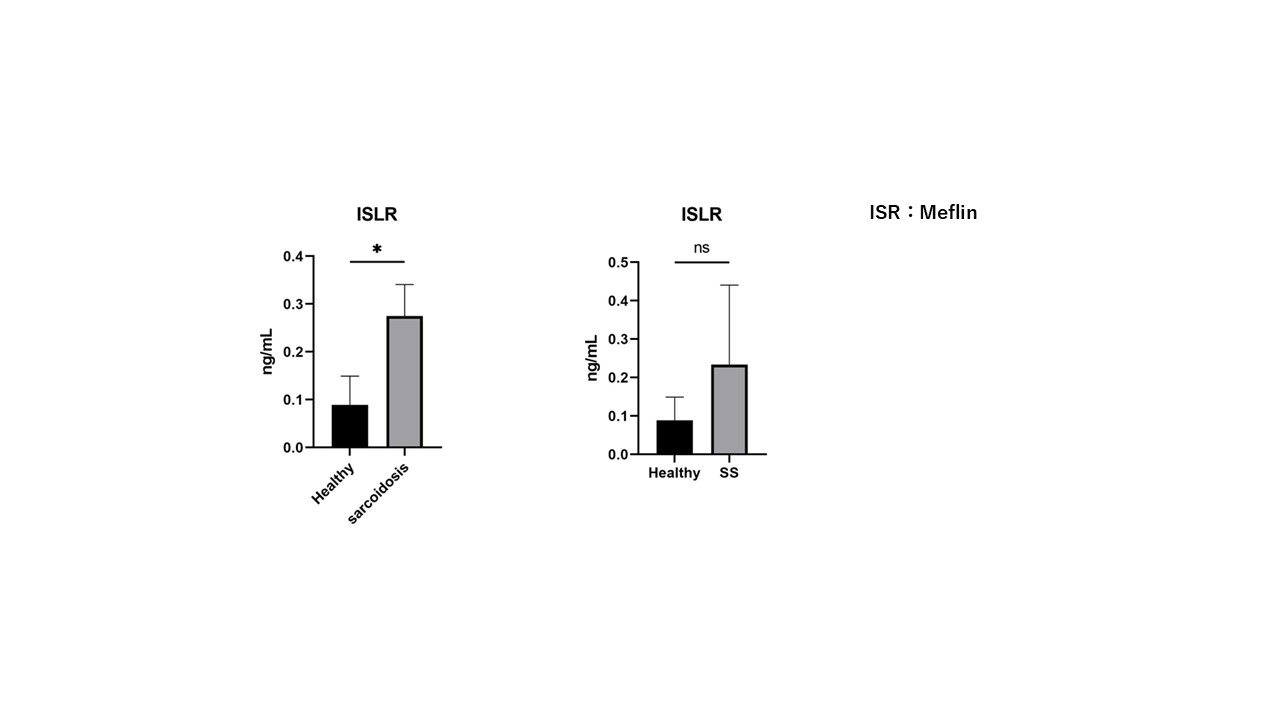
Figure 2.
Meflin was increased in the plasma of patients with sarcoidosis and SS (scleroderma) compared to that of healthy individuals.
Benefits
- Highly specific targeting of ISLR (Meflin) proteins to anticipate minimizing off-target effects.
- Potential to reduce systemic side effects compared to current anti-inflammatory drugs.
- Can be adapted into multiple therapeutic formats (siRNA, antisense, antibodies).
- Effective in reducing key pro-inflammatory cytokines in preclinical studies.
Applications
Potential therapeutic and diagnostic applications include rheumatoid arthritis, inflammatory bowel disease, psoriasis, multiple sclerosis, and other chronic autoimmune disorders. The technology may also have applications in controlling inflammation in organ transplantation and certain cancers where inflammatory signaling contributes to disease progression.
Opportunity
Hokkaido University are seeking partnerships with pharmaceutical companies for the co-development and commercialization of this technology. Opportunities include licensing agreements, collaborative research partnerships, and potential spin-out ventures.
Link
inpart
Contact